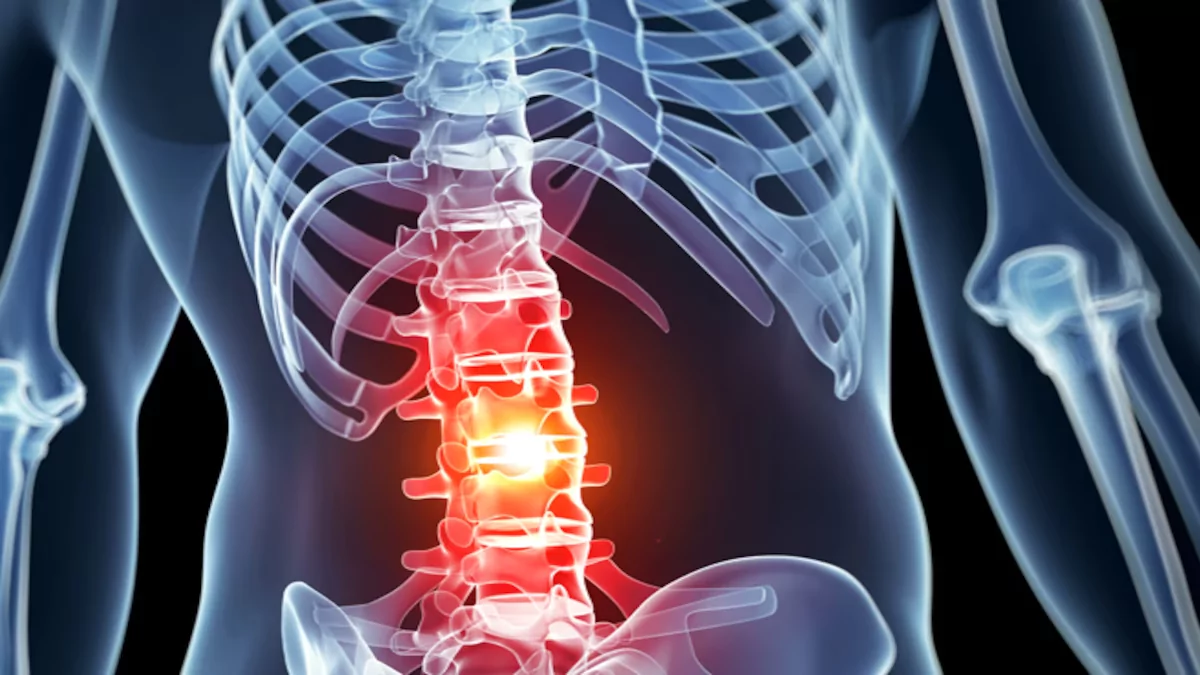
Spine
The spine is a critical component of the human body’s structural integrity, and any deviation from its natural alignment can result in a spinal deformity. These deformities manifest as abnormal bending or rotation of the spine in one or more directions. Normally, the spine exhibits two gentle curves when viewed from the side and appears straight when observed from the front. However, an exaggeration of these normal spinal curves can give rise to deformities that may necessitate surgical correction.
Spinal deformities can emerge from a wide range of underlying conditions, including but not limited to:
- Kyphosis: Characterized by an excessive outward curvature of the spine, typically in the thoracic region, leading to a hunched or rounded upper back.
- Scoliosis: Involving a lateral or sideways curvature of the spine, often in a “S” or “C” shape, which can affect both children and adults.
- Lordosis: Marked by an inward curvature of the spine, usually in the lumbar region, causing the lower back to arch excessively.
- Fractures: Traumatic or stress-related fractures can result in spinal deformities, altering the natural alignment of the vertebrae.
Addressing spinal deformities is crucial not only for alleviating pain and discomfort but also for ensuring the proper functioning of the spine and the overall well-being of the individual. Surgical interventions and treatments are available to restore the spine’s normal alignment and improve the quality of life for those affected by these conditions.